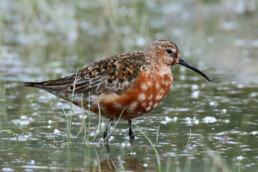
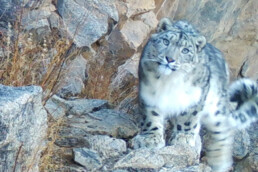



Spanning 600 square kilometers on the edge of the Gobi Desert, Ikh Nart is a rare pocket of biodiversity: home to 33 mammal species, 6 reptile species, 125 species of birds, and more than 200 plant species. Argali sheep, ibex, and cinereous vultures roam a landscape that is as fragile as it is spectacular. Under the leadership of park management and science leads Gana Wingard and Rentsen Oyunbat, the reserve continues to hold its ground against serious pressures: encroaching mining operations, poaching, overgrazing, and creeping desertification.
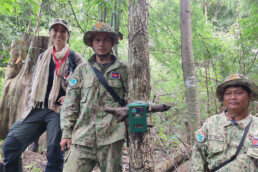
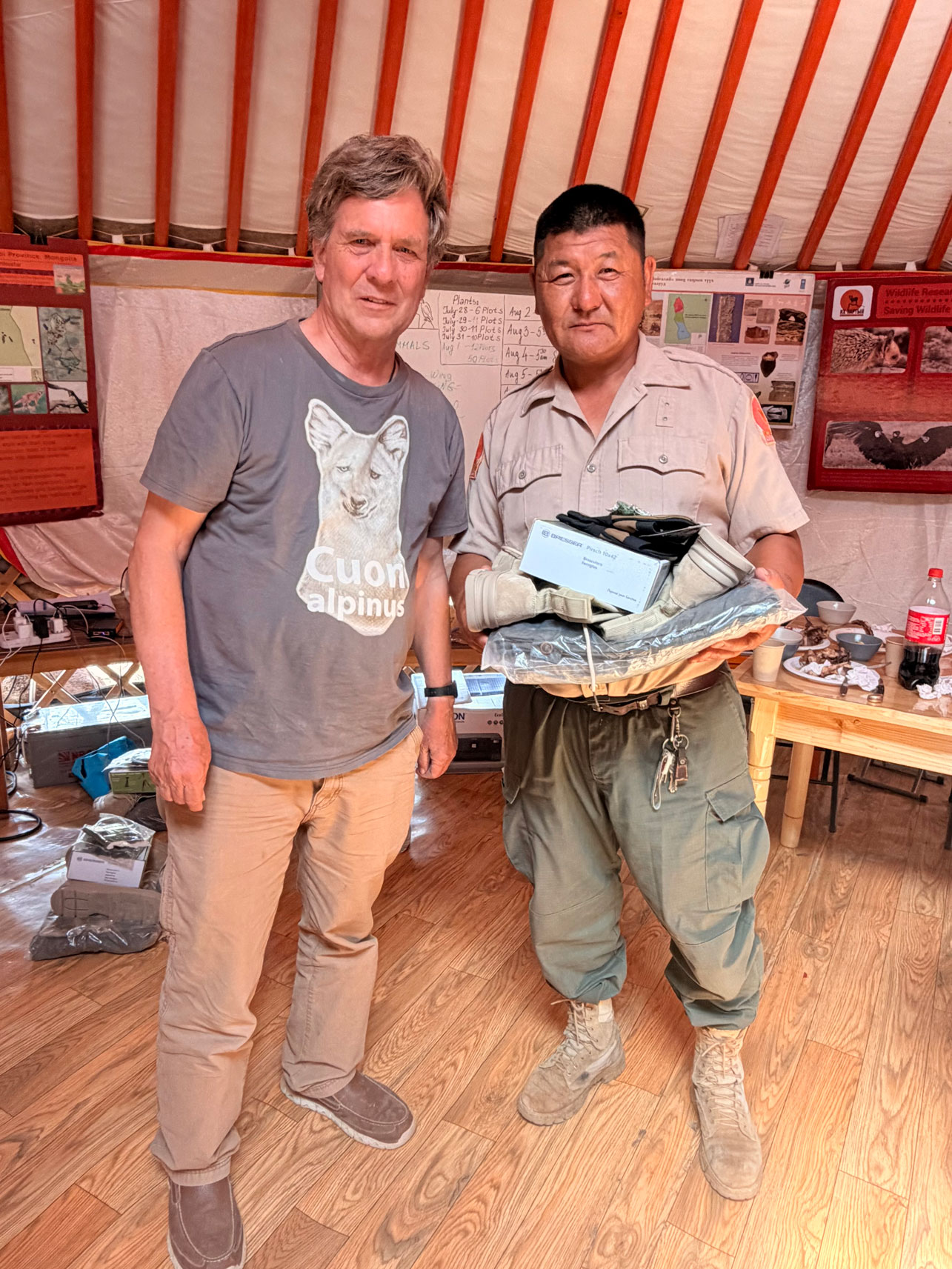
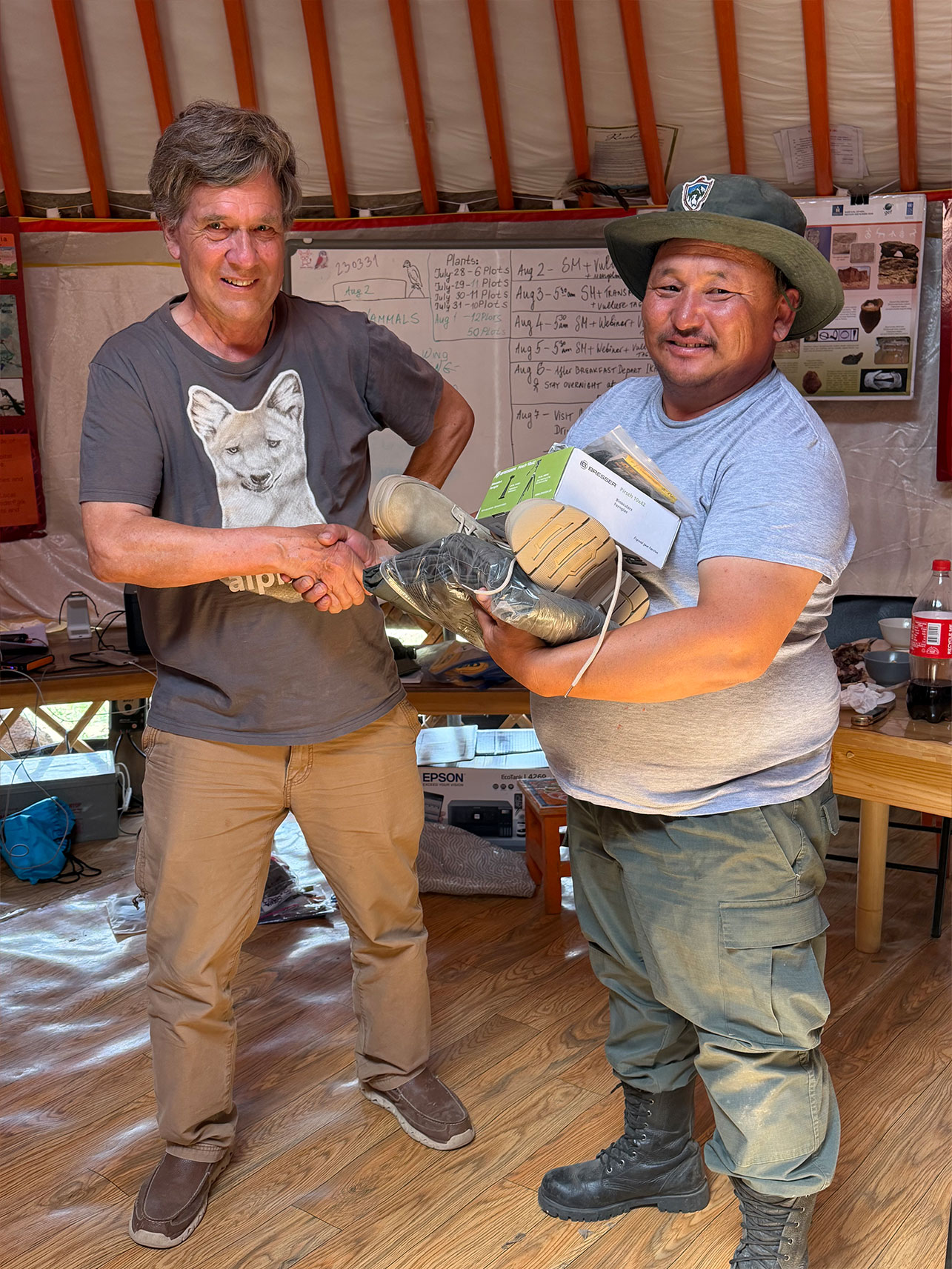
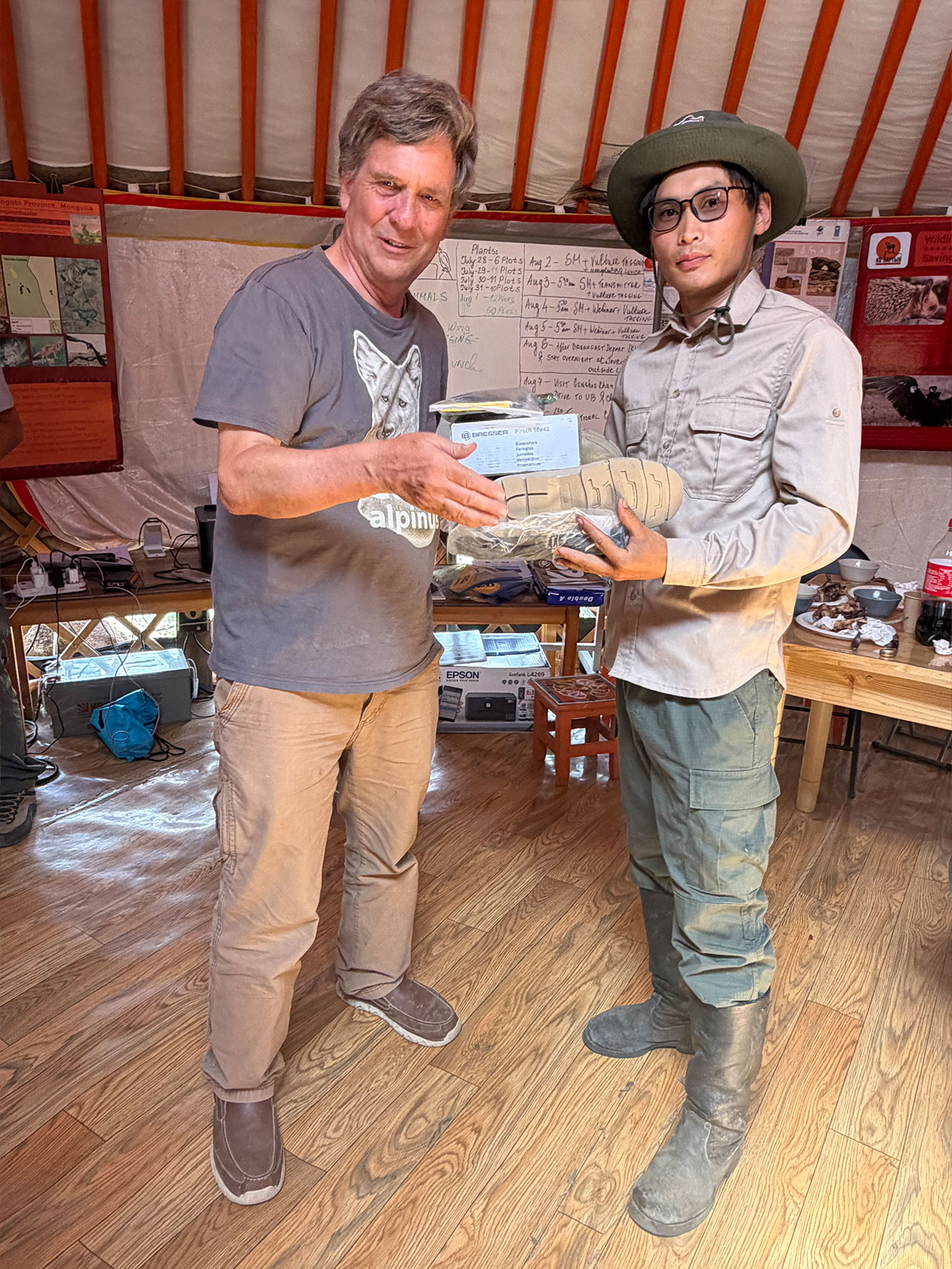
During his visit, Doug met with the rangers who patrol this vast and demanding territory, delivering new uniforms, binoculars, GPS units, and other essential field gear. It’s a small gesture with an outsized impact: rangers covering thousands of square kilometers of remote terrain depend on having the right tools just to do their jobs safely, let alone effectively.
This is part of a broader commitment ICF makes to ranger work across the landscapes we support. Patrolling remote and often unforgiving terrain takes proper equipment, training, and backup. That’s why our support extends to tools like drones, which let rangers cover more ground with greater precision and less personal risk, along with communication equipment and wilderness first aid training that keep rangers safe and connected in places where help isn’t always close by. We also invest in skills that go beyond enforcement, training rangers as mediators so that conversations with local herding communities can lead to cooperation rather than conflict: outcomes that serve both people and wildlife.
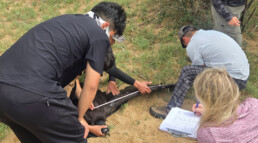
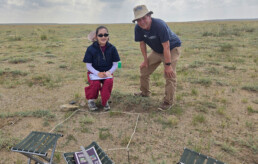
Beyond the ranger handover, Doug rolled up his sleeves for hands-on science, joining a vegetation sampling effort that’s part of a multi-decade survey tracking the effects of climate change on the reserve. Working alongside some of Mongolia’s leading scientists gave him a firsthand look at the long-term data collection that underpins conservation decisions at Ikh Nart.
Doug’s visit came at a pivotal moment. Earthwatch, which has supported volunteer-driven conservation work at Ikh Nart for years, is winding down its operations this year. In response, ICF will step in to help fill a part of the gap supporting both ranger patrols and ongoing science monitoring, work that will increasingly be carried out by Mongolian university students.