
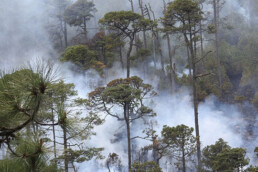
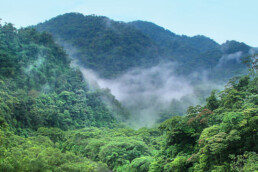
Mongolia holds 98% natural ecosystems intact and contains the largest intact temperate grassland on Earth.
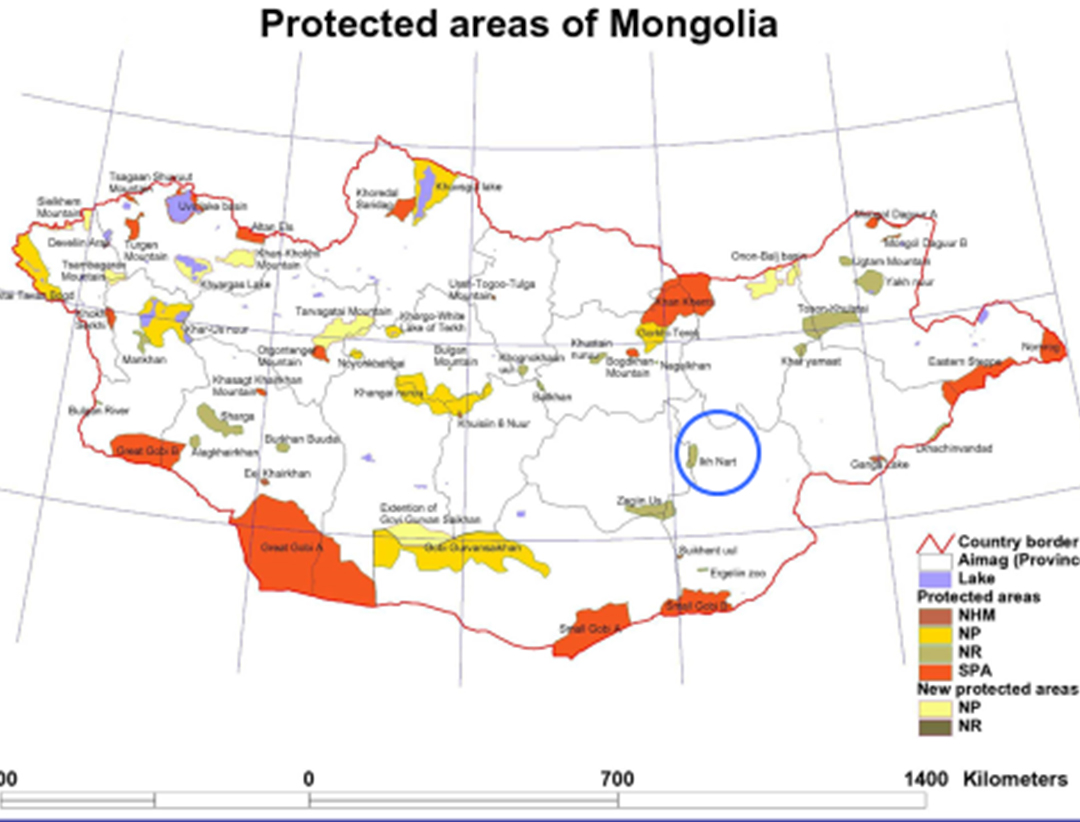
Our partner Mongolia Conservation Initiative protects the Ikh Nart National Park
Stretching across 66,000 hectares along the northern edge of Mongolia’s Gobi Desert, Ikh Nart is a refuge for globally important species and a vital pasture for 150 nomadic herding families. Since 1997, conservation efforts here have shown that protecting wildlife and sustaining traditional ways of life can go hand in hand—creating a landscape where both people and nature endure.
where wildlife and nomadic herders thrive side by side.
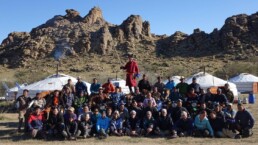
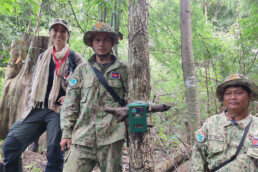
Protecting Ikh Nart starts with empowering the rangers who safeguard it every day.
Working across vast, remote and unforgiving landscapes, they need the right tools, training, and support to operate safely and effectively.
Drones allow rangers to monitor larger areas with greater precision while reducing risk in the field. In a region defined by isolation and limited connectivity, reliable communication devices and wilderness first aid training are essential—ensuring rangers can respond to emergencies and stay connected in critical moments.
Equally important is building skills beyond enforcement. By training rangers as mediators, we prioritize dialogue and de-escalation with local herding communities—fostering cooperation and long-term solutions that benefit both people and wildlife.
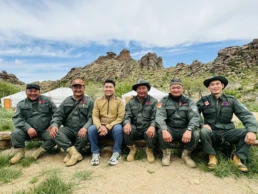
Ikh Nart is recognized by the Mongolian government as a highly well-managed park, fully staffed by Mongolians. The team performs integrated ranger management/support, scientific monitoring of the habitat and species, and community engagement.
A Landscape Under Pressure
over 80 million livestock in mongolia
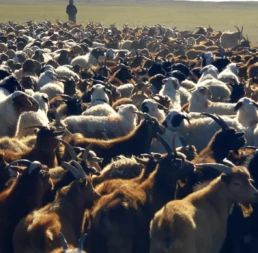
photo: James Danoff-Burg
60% declining natural resources and wildlife habitat
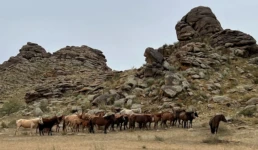
photo: James Danoff-Burg
Ikh Nart’s delicate balance is under strain. As natural resources decline and livestock numbers surge in Mongolia, threats like illegal mining, poaching, overgrazing, and dwindling rainfall are accelerating—putting both wildlife and herding communities at risk.
From Community-based Conservation to Community-led Conservation
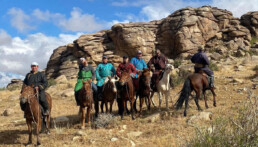
Conservation Initiatives
At Ikh Nart, efforts focus on protecting the reserve’s rich biodiversity—from argali, ibex, and gazelles to vultures, carnivores, and smaller, often overlooked species. Ongoing research tracks wildlife and ecosystem health, while capacity building, community engagement, and conservation education empower local people to safeguard this landscape for the future.
1. Cinereous Vulture Conservation
Protecting Mongolia’s highest density of nesting Cinereous Vulture, this program combines applied research, student training, and education. Graduate students lead fieldwork, while herder ambassadors help monitor nests and promote vulture conservation across communities.
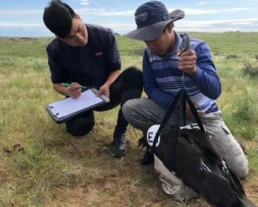
2. Saving Globally Important Ungulates
Ikh Nart is a stronghold for species like Argali, Goitered Gazelle, and Siberian Ibex. Efforts focus on expanding protection, strengthening monitoring, and working with herders to ensure these iconic species continue to thrive.
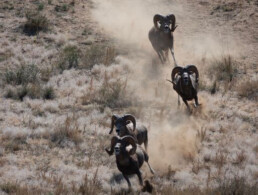
Argali sheep (Ovis ammon)
3. Capacity Building & Community Engagement
By bringing together Mongolian students, researchers, and herding communities, Ikh Nart serves as a living laboratory for long-term conservation. Strengthening local expertise and park management ensures lasting protection of both wildlife and ecosystems.
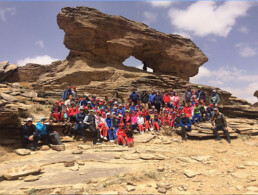
4. Preventing Disease Transmission
This initiative addresses the risks of disease between livestock and wildlife. Through monitoring and collaboration with herders, we improve animal health practices and reduce the spread of diseases such as PPR, tuberculosis, and foot-and-mouth disease.
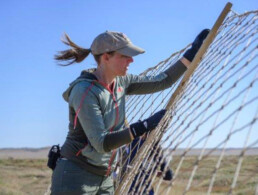
5. Rangeland Restoration & Management
Building on over 20 years of research, we work with herders and authorities to restore degraded lands and promote sustainable grazing. These practices not only protect Ikh Nart, but also serve as a model for rangeland management across Mongolia.
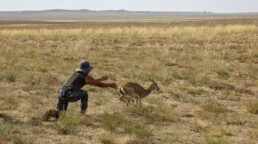
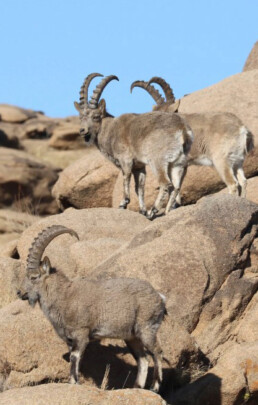
Siberian Ibex (Capra sibirica)
Save the Wildlife of Mongolia’s Gobi
ICF’s funding for Ikh Nart will provide ranger training and support, and to expand to year-around ranger patrols. The goal to expand ranger support and training, starting next year, the funding will be for core support because the Earthwatch project, which had been supporting the science mission, is being reformatted, and the science will be done by all-Mongolian teams.
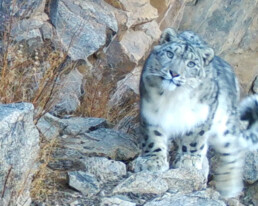
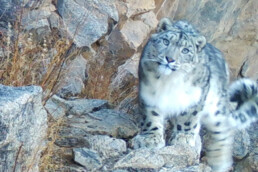
A new snow leopard reflects the value of remote protected area for connectivity
“This story around how restoration (ungulates and community engagement) set ‘the stage’ of a healthy socio-ecological system that allowed the snow leopard to arrive, stay, and eat wild prey (not livestock) and not face retaliation is a winner all around” by Dr. Jed Murdoch, University of Vermont