Ecological engineers
The Spectacled Bear
Gardener of the Andes
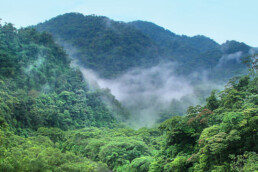
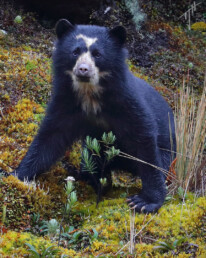
The Spectacled Bear , also known as the Andean bear, is the only bear species native to South America! Found in the cloud forests and grasslands of the Andes, these bears play a vital role in forest regeneration
Climate Adaptation - Moving Up
In the context of climate change, spectacled bears play a unique role by moving seeds to higher elevations as they travel up mountains in search of food. This helps plants adapt to warming temperatures by establishing themselves in cooler, higher-altitude habitats. By facilitating this upward migration, spectacled bears are helping ecosystems adjust to changing climates.
Our partner Conservación Amazónica (ACCA) works to restore and rewild the upper limits of Amazonian cloud forests.
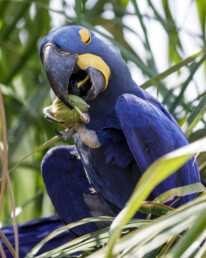
Hyacinth Macaw
Feathered Forest Planter
The hyacinth macaw plays a vital role in maintaining South American ecosystems. With their powerful beaks, these macaws crack open hard-shelled nuts like those of palm trees, consuming some and dispersing others. Seeds dropped by hyacinth macaws often germinate far from the parent plant, fostering genetic diversity and enabling forest regeneration.
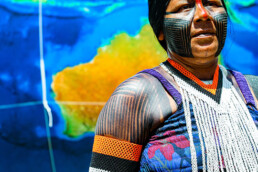
The Hyacinth Macaw thrives in the territory of the Kayapo People under the protection of the Kayapo-NGO alliance.
Floreana Tortoise
Gardener of the Galapagos
Our partners at Jocotoco are dedicated to reintroducing the Floreana tortoise to the Galápagos Island of Floreana. This return is more than just symbolic; the tortoises will serve as environmental engineers, helping to restore the island’s ecosystem and support other endangered species. By dispersing seeds, moving soil, and grazing on lower vegetation, they create space for species like the Floreana Mockingbird and the Little Vermilion Flycatcher to thrive.
Our partners at Jocotoco are leading one of the most ambitious island rewilding efforts in the world.

African Forest Elephants
The Mega-gardener of the Forest
African forest elephants play a crucial role as ecological engineers and mega-gardeners. To fuel their large bodies, they consume vast amounts of vegetation, which allows them to significantly alter the structure of the forest. Their dung acts as a powerful fertilizer, and the seeds from fruits or acacia pods pass through their digestive systems undigested, helping to disperse plant species and promote forest regeneration.
Strong Roots works with communities near protected and community forests to support conservation and the protection of forest elephants.

Leafcutter Ants
Underground Architects
By cutting and transporting leaves to their nests, leafcutter ants cultivate fungi, which serve as their primary food source. This activity enriches soil with nutrients and aerates it through their extensive underground networks. Their selective harvesting of vegetation shapes plant communities, preventing some species from dominating while promoting diversity. Leafcutter ants not only maintain soil health but also enhance the resilience of tropical ecosystems, benefiting countless species that rely on these habitats.
By working with nature, we can harness its resilience, helping ecosystems heal, regenerate, and adapt to a changing world.

Anti-Trawling Devices: A Barrier to Destruction
Concrete anti-trawling devices are low-cost and effective
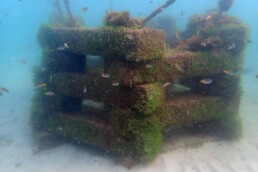
Anti-trawling devices are specialized tools or structures designed to deter or block trawling activities in specific areas of the ocean. These devices help protect sensitive marine ecosystems, such as coral reefs and seagrass beds, from the destructive impact of trawling nets, which can damage habitats and lead to overfishing. By enforcing sustainable fishing practices, anti-trawling devices contribute to marine conservation and biodiversity preservation. Additionally, these devices provide a substrate for various marine organisms, such as oysters and mussels, creating new opportunities for local fishers.

Depending on their size, anti-trawling devices cost just $55 to $140 to make.
Construction of an anti-trawling device. Photo: Paul Ferber
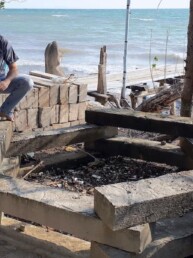
Anti-trawling devices in Cambodia
Our partner, Marine Conservation Cambodia (MCC), is making remarkable strides in protecting marine ecosystems through the deployment of conservation and anti-trawling structures (CANTS). To date, MCC has successfully deployed 270 CANTS in Cambodian waters, safeguarding the Kep Marine Fisheries Management Area and vital habitats for endangered species like the Irrawaddy dolphin. MCC’s success has also inspired similar efforts in neighboring Kampot province, where they collaborated with Wild Earth Allies and local fishing communities to expand the use of CANTS, benefiting rich marine life and supporting sustainable livelihoods.
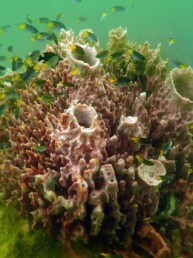
Photo: Paul Ferber
Camera traps: a powerful tool for wildlife conservation
Observation
Camera traps are indispensable for spotting species that are shy, cryptic, or active at odd hours. This has led to rediscoveries of species thought extinct, like the black-naped pheasant-pigeon (Otidiphaps insularis), a bird species thought to be extinct for nearly 140 years!
Protection
Camera traps serve as a surveillance tool to deter poaching and monitor illegal activities in protected areas. Acoustic monitoring has emerged as a complementary technology, using sound recorders to detect chainsaws and other noises associated with illegal logging.
Connectivity
Camera traps play a critical role in understanding how animals use landscapes by tracking wildlife corridors, migration routes, and seasonal movements. By capturing repeated images of animals along specific routes, camera traps help identify key areas where movement is concentrated.
Awareness
Camera trap footage serves as a powerful tool for connecting people with wildlife, offering a rare glimpse into the natural behaviors of animals in their undisturbed habitats. Sharing videos of playful cubs or rare species can inspire curiosity and empathy.
Our Partners make great use of camera traps 📷
Rare footage of the elusive Fishing Cat
Fishing cats are among the most elusive and challenging species to observe, study, and protect. These nocturnal hunters, dwelling in the mangrove forests of Cambodia, present a formidable challenge even for the most dedicated conservationists. Our partner, Fishing Cat Ecological Enterprise (FCEE), has effectively utilized camera traps to gain invaluable insights into the population size and behaviors of these secretive felines. Additionally, the technology has proven instrumental in identifying numerous poachers operating in the area, aiding in efforts to safeguard both the fishing cats and their fragile habitat.
Here’s an extremely rare sight: a Fishing Cat mother carrying not one, but two tiny fishing kittens!
Uncovering Amazon’s Secrets with Camera Traps
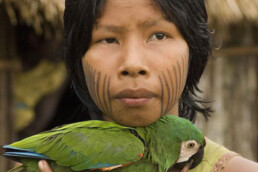
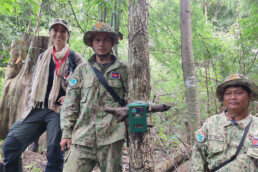
The Kayapo Forest Team (“Equipe da Bà”) project highlights the innovative use of camera traps by the Kayapo community as a critical tool for forest conservation. Installed during morning forest walks, these trail cameras enable the community to monitor biodiversity and detect potential threats like illegal activities while preserving visual records of the region’s rich fauna. Guided by elders’ ancestral wisdom, participants learned to identify species and set up cameras strategically along animal trails. The images captured were reviewed in evening sessions, fostering discussions that bridged traditional ecological knowledge with modern technology. This integration not only enhances forest monitoring but also empowers the younger generation with practical skills, ensuring the continuity of both cultural heritage and conservation efforts in the Amazon.

24/7 Wildlife Monitoring: Protecting Costa Rica’s wildlife with Osa Conservation
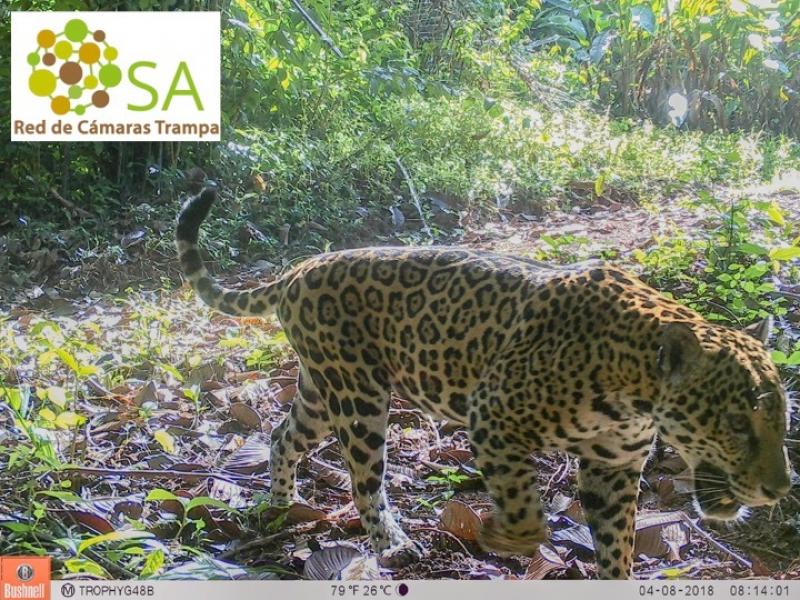
Our partner, Osa Conservation, emphasizes the transformative role of camera traps in wildlife research and conservation, describing them as vital tools for studying elusive species across diverse ecosystems. The data captured enables a closer look at iconic and rare species such as ocelots, jaguars, pumas, and white-lipped peccaries, shedding light on their behaviors and habitats.