
Protecting a migratory species that travels more than 10,000 miles is not simply a question of protecting one place—it requires safeguarding a precise chain of habitats, each critical to survival. When even a single link in that chain fails, the entire migration is put at risk.
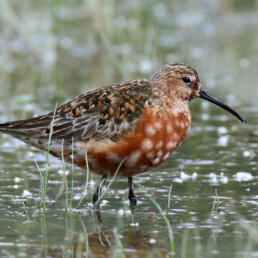
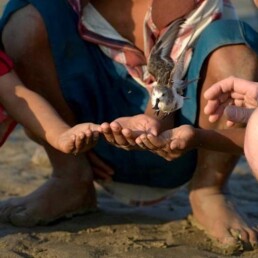
Calidris canutus roselaari, a subspecies of the Red Knot with the smallest global population of any Red Knot subspecies, depends on one such link: the Gulf of Santa Clara, Mexico.
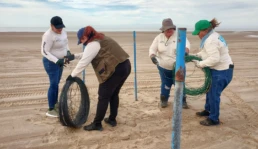
This is where our partners, the Shore Women (Mujeres de Playa), also known as Cuidando al Playero Rojizo y al Pejerrey (Conserving the Red Knot and the Gulf Grunion), step in. Each spring, as Red Knots arrive and Gulf Grunions lay their eggs, a third migration reaches these same beaches: thousands of visitors arriving for Easter break. Not long ago, vehicles drove directly through grunion spawning areas during the busiest weeks of the season, and public awareness of what was happening beneath the sand was minimal. Through persistence, outreach, and community leadership, these women have transformed that reality turning crowded beaches into shared spaces where wildlife, local communities, and visitors can coexist at the most critical moment of the year.
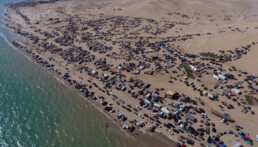
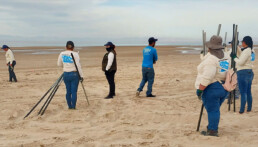
Before: Tourists and vehicles moved freely through the beach, disrupting this delicate dance of nature.
After: A large area of critical habitat is now protected.
Fifteen Years of Commitment, A Standout Year in 2025
Pronatura Noroeste has been working in the Gulf of Santa Clara since 2010, with a clear goal: protect the Red Knot and its critical habitat during migration, while safeguarding the Gulf Grunion population that sustains it. Over the years, their deepening understanding of both species has translated into increasingly effective, community-centered conservation.
In 2025, their efforts reached new heights—combining hands-on habitat protection, large-scale public engagement, and education that is shaping the next generation of environmental stewards.
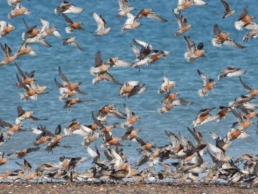
1. Temporary Beach Protection for Red Knots, Grunion, and Shorebirds
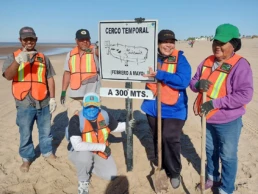
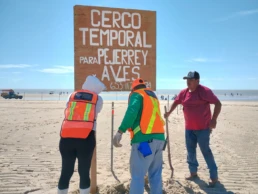
From March 16th to May 23rd, Pronatura Noroeste installed a temporary protective fence around 24,784 square meters of active spawning beach. Clearly marked with wooden and metal signs, the enclosure protected habitat used by Gulf Grunions, Red Knots, and other shorebirds during the height of the breeding and migration season.
At the same time, it helped manage the presence of at least 10,000 tourists during peak season. Informational signs explained what was happening beneath the sand, with messages such as:
- “Temporary Enclosure for Gulf Grunion and Shorebirds”
- “Apologies for the inconvenience—Gulf Grunion eggs developing”
- “Gulf Grunion spawn on this beach—please respect their reproduction period”
The result was not conflict, but understanding.
2. Restoring Gulf Grunion Spawning Beaches in the Gulf of Santa Clara
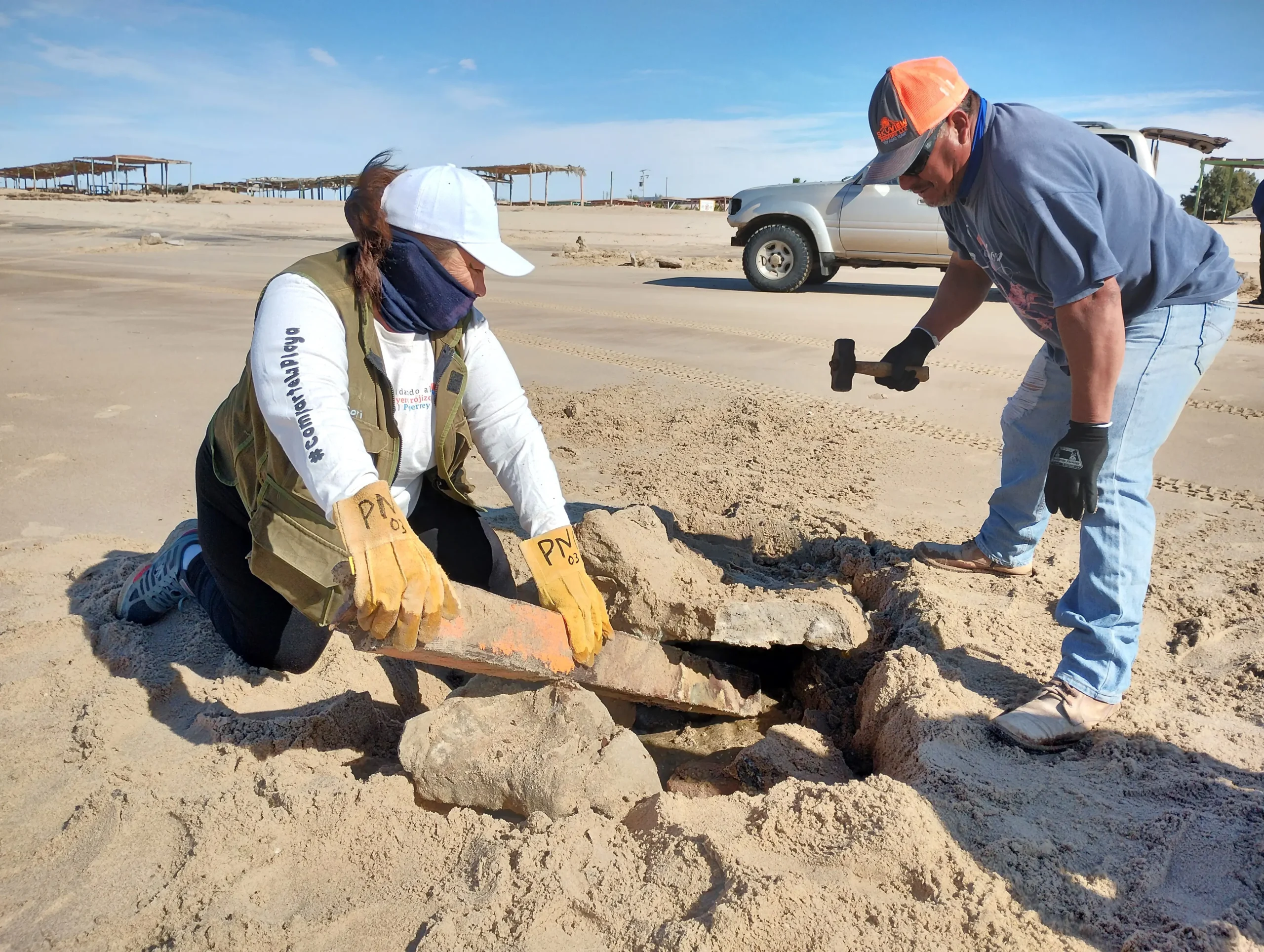
On March 1st, the team removed approximately 1,000 kilograms of debris from the Gulf Grunion’s spawning area. This single action delivered multiple benefits at once: cleaner, safer spawning habitat for grunions; improved feeding and resting areas for shorebirds; and a safer beach for people, with fewer risks of injury from buried debris.
3. Powered by Community
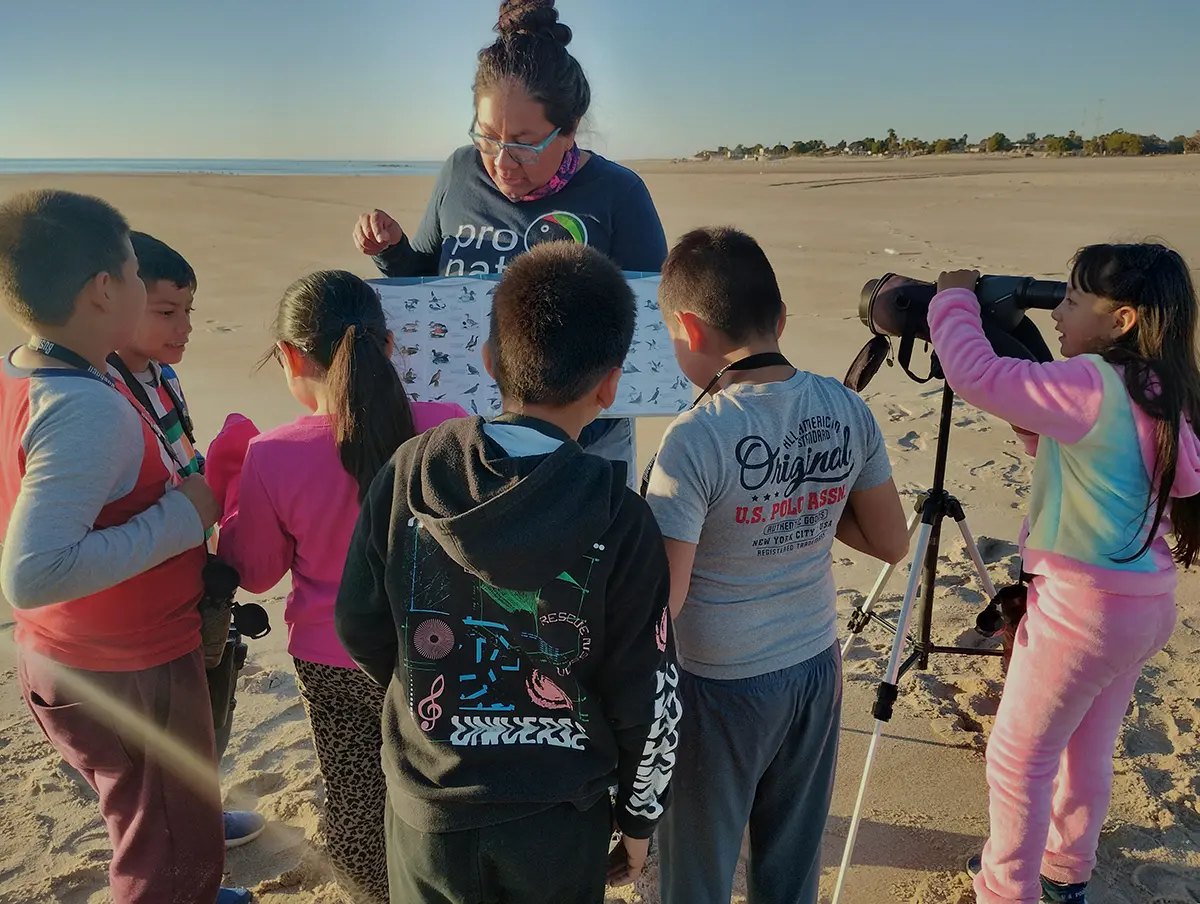
Education and outreach were at the heart of the 2025 program. Between January and September, Pronatura Noroeste ran a birdwatching club for local children, with 30 participants and 14 attending regularly. These young conservationists learned to explain basic bird biology and ecology and could identify at least 15 common bird species—knowledge that will stay with them for life.
4. Engaging the tourists
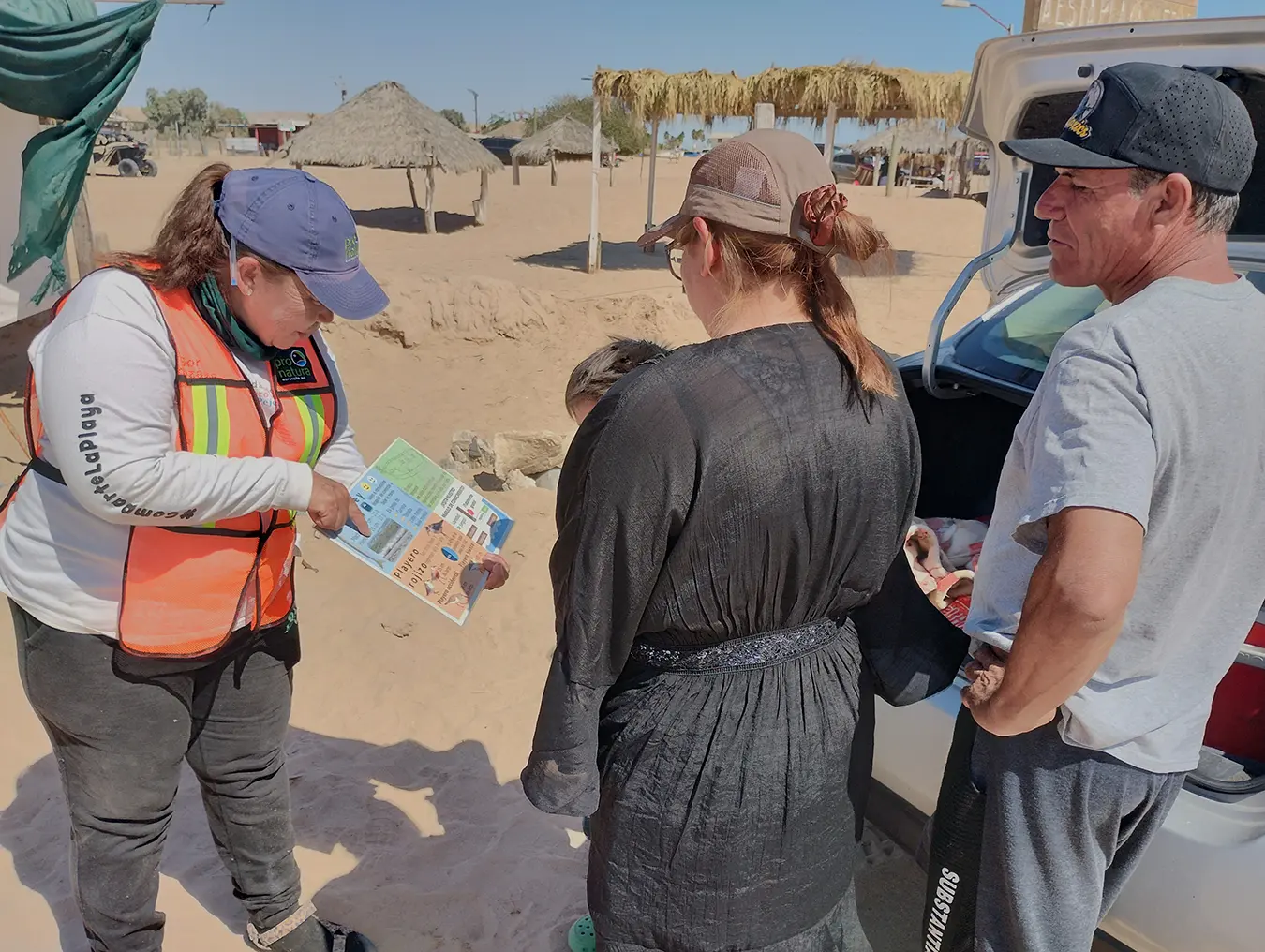
During peak tourism season, the team also operated an information and education module on the main town beach for 21 days, engaging directly with nearly 2,000 visitors. When asked about the temporary fencing, 90% expressed support for the conservation measures. In parallel, almost 400 elementary school students took part in outreach activities focused on the Red Knot, the Gulf Grunion, and their shared ecosystem.
5. A Globally Important Stopover, Holding Strong
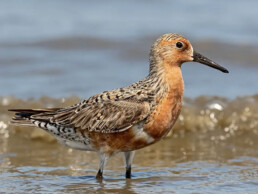
Between February 20 and May 15, 13,600 shorebirds were recorded using the sandy beaches of the Gulf of Santa Clara. Red Knot numbers remained relatively stable compared to previous years, with a minimum count of 4,200 individuals—an encouraging sign in a world where migratory species face mounting pressure.
Looking Ahead
These results underscore the power of a community-based conservation model—one that empowers local residents, educators, and youth to become stewards of a globally significant migratory stopover. As tourism and human pressures continue to grow, sustained protection, education, and adaptive management are more essential than ever.
The International Conservation Fund will support the work of Pronatura Noroeste and the Shore Women in 2026. We’ll be following their journey closely—and we hope you will too.
Because sometimes, protecting a species that travels halfway around the planet starts with something beautifully simple: caring for a stretch of sand at exactly the right moment.
Protecting this vital site for wildlife is a shared responsibility. We invite you to join our conservation efforts in the Gulf of Santa Clara: spread the word through #ShareTheBeach,, support our environmental education programs, and become part of a network working to restore habitats, protect migratory species, and strengthen the communities that care for them.
OBJECTIVES OF THE 2026 WORK PLAN
1. Restore approximately 1.5 miles of beach in the Gulf Grunion spawning area, where gravel and other waste have accumulated.
2. Demarcate an area at least as large as that of the 2025 season, covering the Gulf Grunion breeding grounds, which also serves as a feeding and resting site for shorebirds.
3. Strengthen the training of female promoters, focusing on more specific environmental issues, and recruit additional volunteers interested in learn and promote those topics.
4. Inform at least 3,000 beachgoers about shorebirds, Gulf Grunions, and their habitat, using the slogan #ComparteLaPlaya (#ShareTheBeach).
5. Raise awareness about the Gulf Grunion through the Golfo de Santa Clara´s “Annual Red Knot and Grunion festival”.
6. Continue the Bird Observation Club for young people by maintaining bi-weekly meetings.
7. Establish an environmental education center in town, to showcase the region’s biodiversity and the ongoing conservation efforts.
8. Spread the word of migratory topics such as long of stay, timing, migration connectivity of Pacific Red Knot and other shorebird species, using MOTUS tags data.